


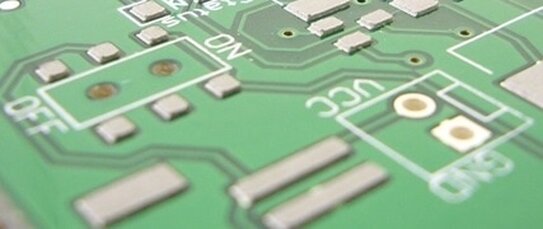
In the field of electronic board manufacturing, solder paste printing (screen printing) plays a crucial role. Whether for an automotive board, industrial device, or any other electronic equipment, this technique ensures the attachment of tiny components to printed circuit boards (PCBs), thus guaranteeing their proper functioning.
But what exactly is screen printing, and why is it so essential in surface mount technology (SMT) assembly? This article will explain its operation, importance, and best practices to optimize its use.
What is Solder Paste?
Solder paste is a thick, viscous compound used to attach electronic components to PCBs. This mixture consists of two main elements: a flux that prevents oxidation and improves adhesion, and metal particles, often made of tin, bismuth, and silver, which provide strong connections during reflow.
The metal particles in solder paste vary in size (ranging from T-1 to T-8), and this size determines the choice of nozzle to avoid clogging. The flux helps keep the particles suspended and promotes bonding with the PCB surface, while also preventing oxidation.
Screen Printing on PCBs
The step of printing solder paste on a PCB is fundamental for SMT assembly reliability. It allows components to be fixed in place and prevents defects such as short circuits or weak connections. This operation requires stencils that apply a precise amount of paste to each pad on the PCB.
Different Types of Screen Printing
Manual Screen Printing:
For small batches or beginners, manual solder paste printers are an economical solution. They require some skill to spread the paste using a squeegee and stencil, but they can be challenging for very fine components.
Semi-Automatic Screen Printing:
Used in small factories, these printers automate part of the printing process while still requiring manual loading and alignment of boards. They are suitable for varied production and offer greater precision and speed compared to manual printers.
Automatic Screen Printing:
Ideal for mass production, these machines handle the entire process, from feeding the board to stencil alignment and paste printing. They minimize human error and significantly increase production speed.
Key Tools for Quality Printing
To achieve successful solder paste printing, choosing the right tools is essential. Two elements are particularly important: squeegees and stencils.
Squeegees:
Squeegees are used to spread paste over the stencil. Rubber squeegees are less expensive and ideal for general tasks, while metal squeegees are more durable and suitable for high-precision applications.
Stencils:
Stencils define the area where paste is deposited. Chemically etched stencils are versatile, laser-cut stencils provide high precision, and electro-formed stencils, very durable, require less cleaning and are suitable for delicate work.
Conclusion
Screen printing is a key step in PCB assembly using surface mount technology (SMT). To ensure high-quality PCBs, attention to detail, the right tool selection, and proper equipment setup are essential. By following these practices, you ensure reliable and durable assemblies for all your electronic projects.
Need advice or electronic board manufacturing services? Contact CoOptek, your expert in Occitanie.