


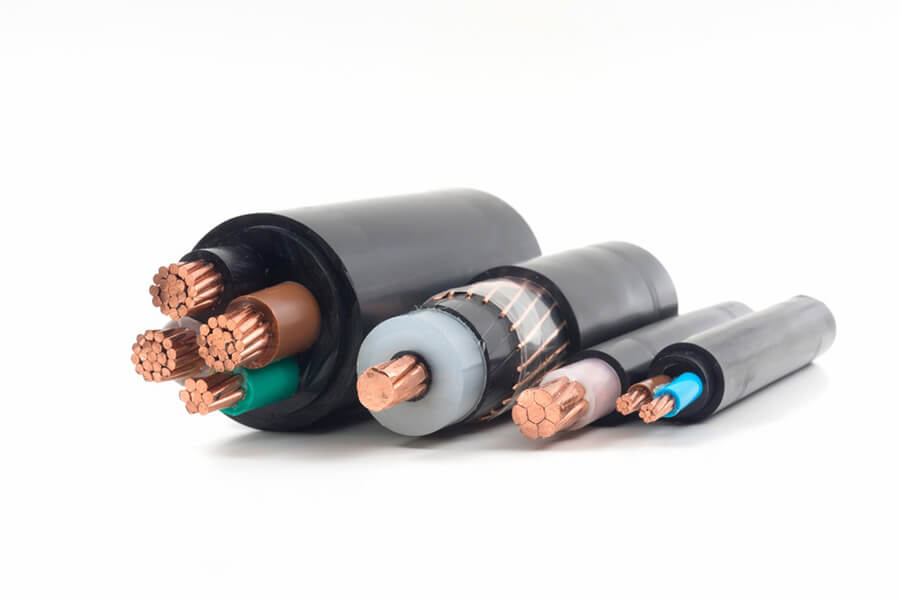
In the complex world of cable assembly, understanding specifications and standards is crucial to ensure safety, reliability, and compliance. Two commonly used metrics to express conductor size in cables are American Wire Gauge (AWG) and square millimeters (mm²). This article explores the differences between AWG and mm², examining their impact on cable and harness development and production in relation to Underwriters Laboratories (UL) and European Conformity (CE) standards.
AWG vs mm²: Overview
-
American Wire Gauge (AWG):
The US wire gauge, often simply called AWG, is a standardized wire gauge system used mainly in the United States. It defines the diameter of electrical conductors. The AWG scale is inverse, meaning smaller numbers represent larger wire diameters. For example, a 10 AWG wire is thicker than a 20 AWG wire.
A key aspect of AWG is its simplicity. It provides an easy numeric representation of wire size, making it straightforward to understand and work with. However, as we will see later, this simplicity has certain limitations.
-
Square Millimeters (mm²):
Square millimeters represent the cross-sectional area of a wire. This measurement is widely used in the metric system and is common in Europe and many other parts of the world. Unlike AWG, higher mm² values indicate thicker wires.
Measuring in mm² is based on the wire’s cross-section, providing a more direct indication of how much current the wire can carry. This can be advantageous in applications where precise electrical capacity calculations are critical.
Impact on UL Standards
-
UL Standards and AWG:
UL standards play a crucial role in ensuring the safety and reliability of electrical products, including cables and harnesses. Regarding AWG, UL standards often specify the acceptable range of wire diameters for various applications. Manufacturers must comply with these specifications to obtain UL certification for their products.
The challenge with AWG lies in its discrete nature. Gauge sizes are not continuous, meaning moving from one standard size to the next can result in significant changes in wire capacity. This can affect the UL certification process, requiring manufacturers to carefully choose the appropriate AWG size for their specific application.
-
UL Standards and mm²:
In contrast, using mm² offers a continuous scale for wire sizes. This can be advantageous for meeting UL standards, as it allows a more precise match of wire sizes to the requirements of a particular application. However, the challenge is that UL standards historically align with AWG, and transitioning to mm² may require additional considerations and adjustments in the certification process.
Impact on CE Standards
-
CE Standards and AWG:
The CE marking indicates that a product complies with European Union (EU) safety standards. Although AWG is not the primary gauge system in Europe, products using this system can still be manufactured for global markets. In such cases, CE compliance becomes crucial.
As with UL standards, manufacturers must ensure their products meet the specific requirements defined by CE standards. Using AWG may require additional documentation and testing to demonstrate compliance with European regulations.
-
CE Standards and mm²:
Products designed from the start using mm² measurement may find it easier to navigate CE standards. Using a metric system aligned with European conventions can simplify the certification process. However, it is essential to note that CE compliance involves various factors beyond wire size alone, and manufacturers must consider the holistic requirements specific to their products.
In conclusion, the choice between AWG and mm² in cable and harness development and production has implications for UL and CE standards. While AWG offers simplicity, mm² provides a more continuous and precise scale. Manufacturers must carefully consider the standards applicable to their target markets and design products accordingly. Whether to meet strict UL requirements or comply with CE marking standards, understanding the impact of wire size metrics is a crucial step to ensure the safety and compliance of cable assemblies in a global market.