


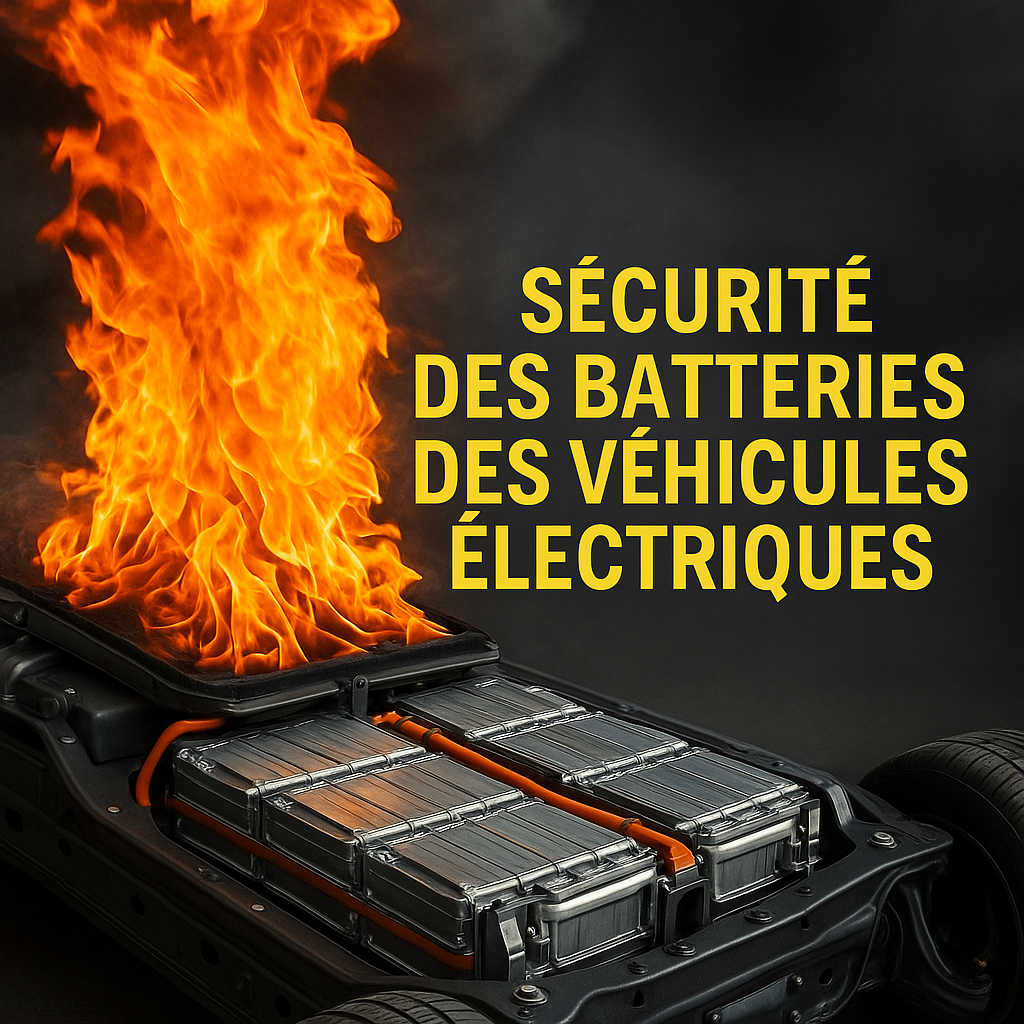
This is not a simple update. It’s a wake-up call for BMS manufacturers.
China is making a strong move with the 2025 version of the GB38031 standard. Behind this somewhat technical acronym lies a critical reality: a significant tightening of safety requirements for lithium-ion batteries in electric vehicles. And this is not just a local matter — any global player working with Chinese partners or markets will need to align.
Less margin for error, more responsibility
The new standard imposes shorter response times for protection systems, stricter temperature and voltage thresholds, and improved detection of internal failures. In short? Even the slightest calibration flaw, thermal design weakness, or management logic issue can now lead to non-compliance. And considering that the BMS is orchestrating all of this… it quickly becomes clear that yesterday’s specs are no longer sufficient.
Concrete impact on electronic design
Designers must go back to the drawing board. Redundant safety components, tighter tolerances, more intelligent monitoring algorithms: hardware alone is no longer enough. Firmware must also be capable of reacting within milliseconds to critical scenarios. And above all, everything must be documented with surgical precision to pass audits.
A new global benchmark?
What China is imposing today could very well inspire other regions tomorrow. Europe and the United States are watching closely. By aligning now, forward-thinking companies are not just ticking compliance boxes — they are gaining a competitive edge.